

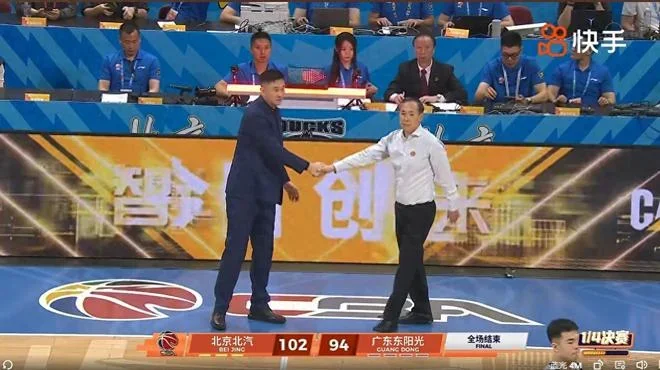
The CBA quarterfinals have produced two series winners, but two matchups will go to a decisive third game. None draws more attention than the Beijing-Guangdong showdown. This clash is packed with storylines, featuring two powerhouse clubs with massive fanbases and intense rivalries. So, which team will prevail and advance to the semifinals?
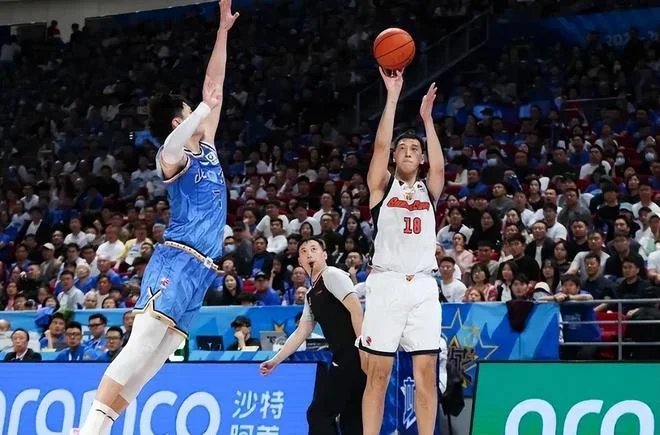
After the first two games, the series is tied 1-1. Beijing took Game 1 by eight points, while Guangdong responded with a dramatic buzzer-beating three-pointer in Game 2, leveling the series and giving both sides an equal chance.
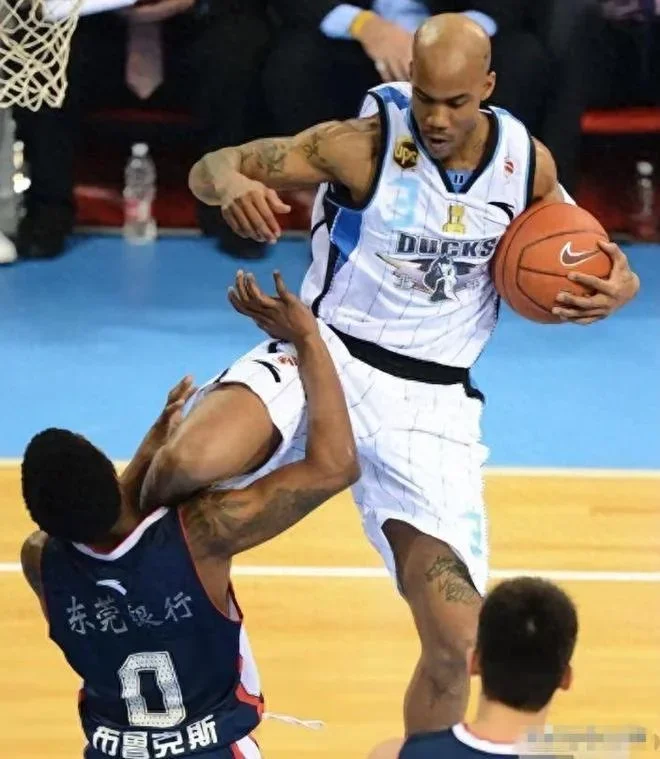
Thirteen years ago, these two teams battled for dominance, with Beijing winning three championships in four years and Guangdong taking one in 2013. Those encounters were fierce, often spilling into bad blood. But times have changed. No current Guangdong player was part of that era, while Beijing has only two—Zhai Xiaochuan and Fang Shuo—both now bench players.
The atmosphere is far more cordial now. After Guangdong’s Game 2 win, Zhai Xiaochuan and Zhao Rui congratulated Zhang Haojia warmly, showing mutual respect rather than hostility.
So, who will take Game 3? Both teams have an even shot, a 50-50 affair. Guangdong holds two subtle but significant advantages. First, they’ve gained psychological momentum: losing Game 1 narrowly and then stealing Game 2 on a clutch shot has built confidence. They’re not intimidated by Beijing. Second, they carry no pressure. As underdogs, they’ve already exceeded expectations by winning Game 2, so they can play freely. In contrast, Beijing’s star-studded roster faces immense pressure—if they lose, they’ll face heavy criticism.
Beijing might have stronger overall talent and deeper bench, but Guangdong boasts unity, confidence, and a relaxed mindset. Beijing’s squad, despite its star power, is aging—six players are over 30—and lacks cohesion. Their chemistry issues and coaching shortcomings make them appear strong on paper but fragile under pressure.
The deciding factor in Game 3 will likely be three-point shooting. In Game 1, Beijing made 16 three-pointers and won. In Game 2, Guangdong hit 19 threes and won. The perimeter shooting from guards and forwards will dictate the pace. Both sides have equal opportunity—whoever heats up from beyond the arc will likely take the series. What do you think?
